The explosion of AI image generation has created millions of new artists—and millions of new questions about ownership. If you've crafted prompts, iterated through variations, and curated a stunning image from Midjourney, DALL-E, Stable Diffusion, or similar tools, what rights do you actually have? And how can you protect work that exists in such a legally uncertain space?
The Copyright Question
Traditional copyright law is struggling to keep up with generative AI. The core question: Is an AI-generated image copyrightable, and if so, who owns it?
Current legal consensus varies by jurisdiction, but several principles are emerging:
- Pure AI output may not be copyrightable. In 2023, the U.S. Copyright Office ruled that images generated solely by AI cannot be copyrighted because they lack human authorship.
- Human creative input changes the equation. If you substantially modify, curate, or arrange AI-generated images, that creative contribution may be protectable.
- The prompt itself may matter. Highly specific, creative prompts that direct the AI in detailed ways represent more human creative input than generic prompts.
- Post-processing counts. Editing, compositing, or enhancing AI images adds copyrightable human creativity.
This legal uncertainty makes protection even more important. While courts sort out the rules, you need practical ways to establish and defend your connection to your work.
Why Watermark AI Artwork?
Even if copyright status is uncertain, watermarking AI artwork serves several purposes:
1. Establishing First Use
In the AI art world, the same prompt can produce different images on different days—but similar prompts often produce similar results. By watermarking and documenting your images immediately upon creation, you establish a clear timeline of when you created and began using a particular image.
2. Deterring Casual Theft
Most image theft is opportunistic. When someone knows an image is watermarked (even invisibly), they're more likely to seek alternatives. Mentioning that your work is protected adds a layer of deterrence.
3. Supporting Platform Enforcement
Social media platforms and marketplaces increasingly rely on watermark detection for copyright enforcement. Having a watermark provides evidence when filing takedown requests.
4. Building Documentation
Watermarking becomes part of your documentation chain. Combined with saved prompts, creation timestamps, and iteration history, it strengthens any future ownership claims.
"In the absence of clear legal frameworks, documentation is your best defense. Every piece of evidence of your creative involvement matters."
Best Practices for AI Art Protection
Document Your Creative Process
Keep records of everything:
- Save your prompts. The exact text you used, including iterations and refinements.
- Screenshot your generations. Capture the interface showing your prompt and the resulting images with timestamps.
- Note your selections. If you generated 50 variations and chose 3, document why those 3.
- Track post-processing. Any editing, compositing, or enhancement you perform adds human creative input.
Watermark Immediately
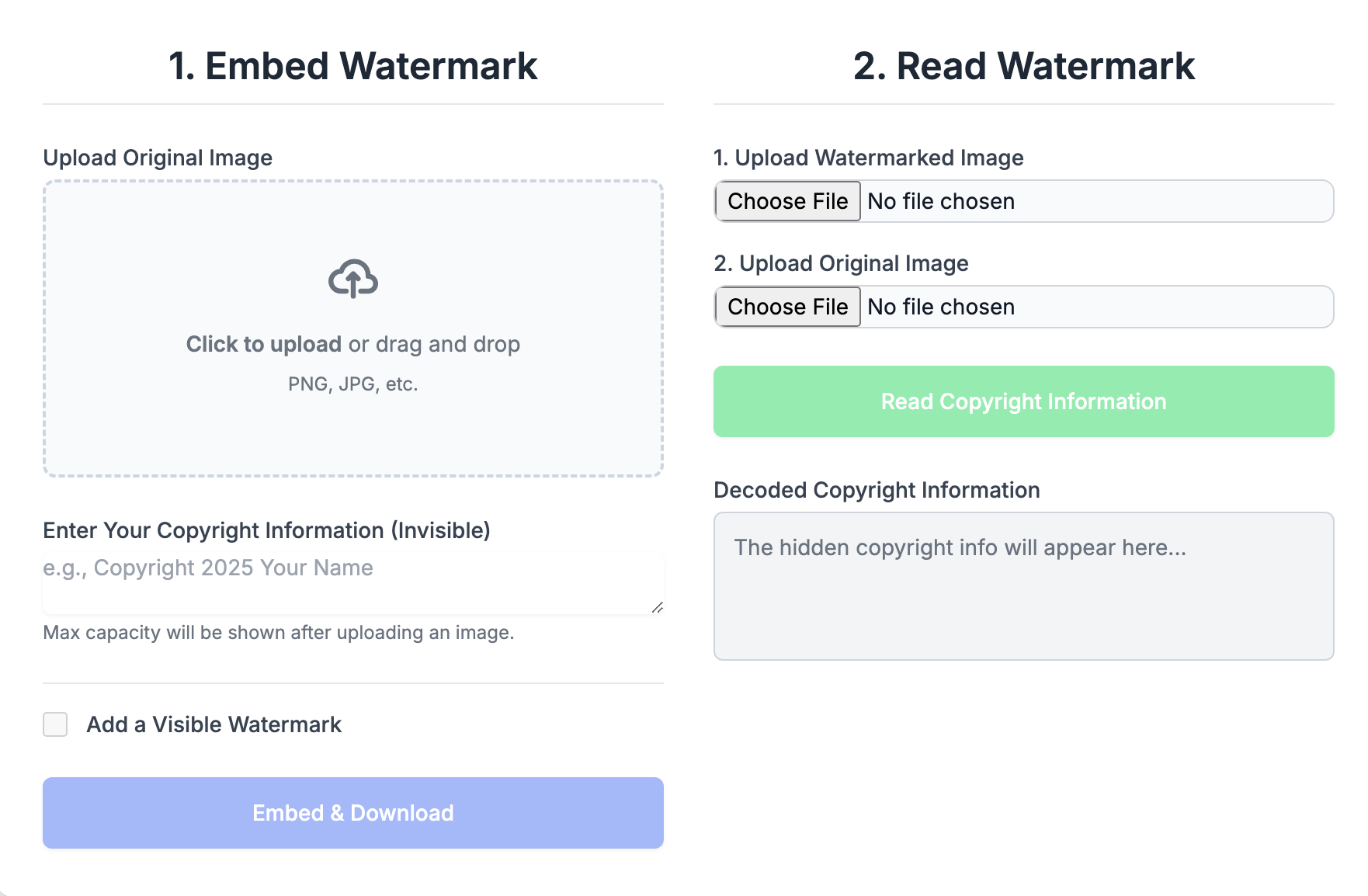
Add invisible watermarks to your AI artwork as soon as you decide to keep an image. Don't wait until you publish or sell it. Include:
- Your name or brand
- Creation date
- A copyright notice (even if legal protection is uncertain, it signals your claim)
- Optionally, a reference to your prompt or project
Choose the Right Terms of Service
Different AI platforms have different terms regarding ownership:
- Midjourney: Paid subscribers own their outputs and can use them commercially.
- DALL-E: OpenAI grants users rights to use, reproduce, and sell images they generate.
- Stable Diffusion: Open-source, so outputs are generally unrestricted.
Always review the current terms of any platform you use. These policies evolve as the legal landscape develops.
Add Human Creative Elements
To strengthen your copyright claim, add substantial human creativity:
- Edit and enhance. Color correction, cropping, and retouching all add human input.
- Composite multiple images. Combining AI outputs with photography or other elements creates new works.
- Use AI as a starting point. Generate a base image, then significantly modify it through traditional digital art techniques.
- Create series with curation. Selecting and arranging images into a cohesive collection represents creative judgment.
What Watermarks Can and Cannot Do
Be realistic about what watermarking achieves:
Watermarks CAN:
- Provide evidence of your connection to an image
- Support claims in disputes
- Deter casual theft
- Help platforms identify your work
Watermarks CANNOT:
- Grant copyright where none exists
- Prevent determined theft
- Survive significant image manipulation
- Replace legal registration where available
A Practical Protection Workflow
- Generate your image using your preferred AI tool.
- Save the prompt and any settings used.
- Screenshot the generation interface showing the prompt and result.
- Download at highest resolution available.
- Add invisible watermark with your copyright notice and date.
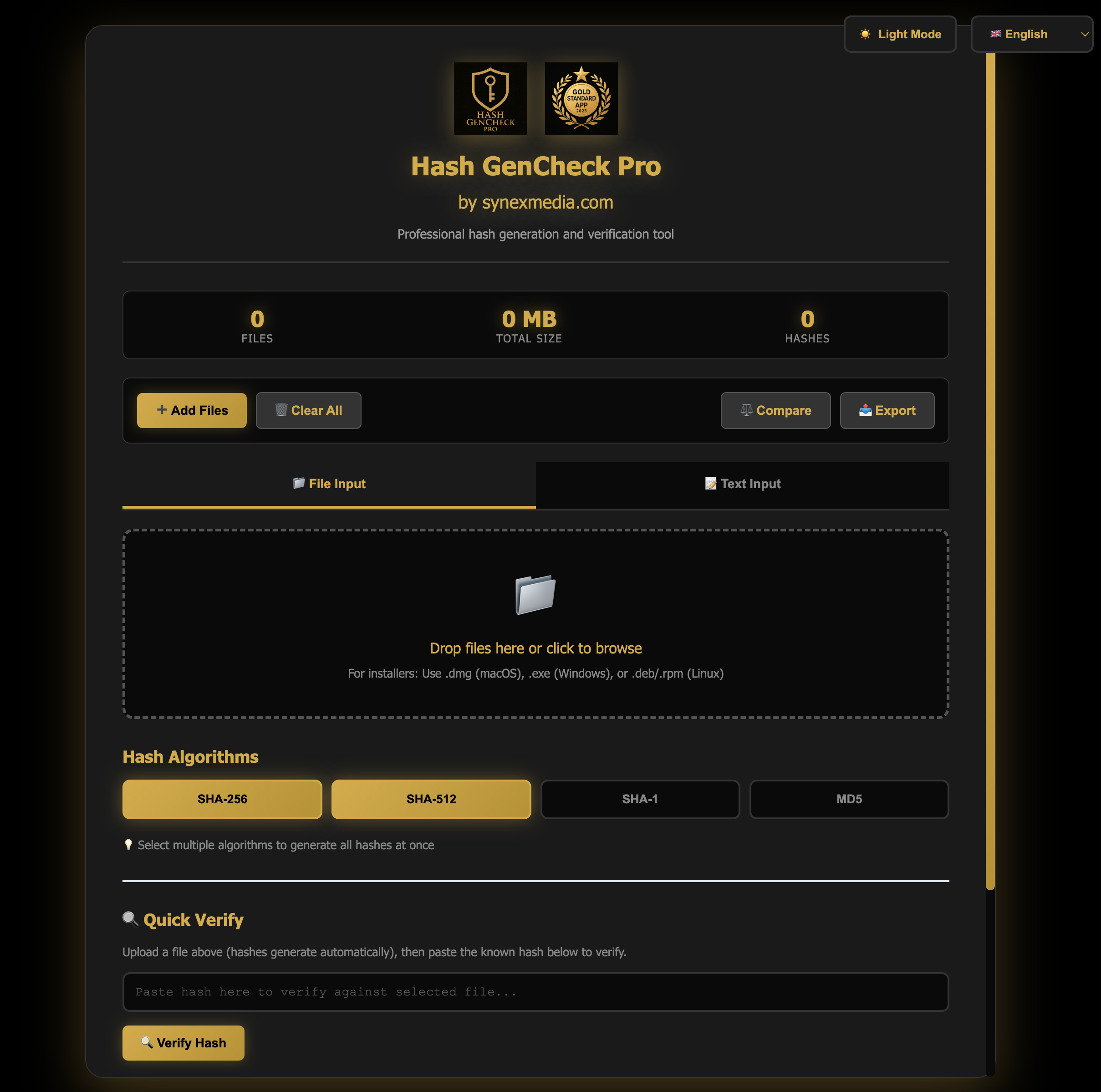
- Create hash checksum of the watermarked file for verification.
- Store originals securely with your documentation.
- Export sized versions for different uses (web, print, social).
This workflow takes only a few extra minutes but creates a comprehensive documentation chain that supports your ownership claims.
Looking Forward
The legal landscape for AI art is evolving rapidly. Courts, legislators, and copyright offices worldwide are grappling with these questions. What's uncertain today may be clearly defined tomorrow—or may remain contested for years.
In this environment, proactive protection isn't paranoia—it's professional practice. Document your work, watermark your images, and maintain records. When the rules become clear, you'll be positioned to benefit from them.
Invisible Image Watermarker
Protect your AI artwork with invisible, tamper-resistant watermarks. Process images locally in your browser—your creations never leave your device.